

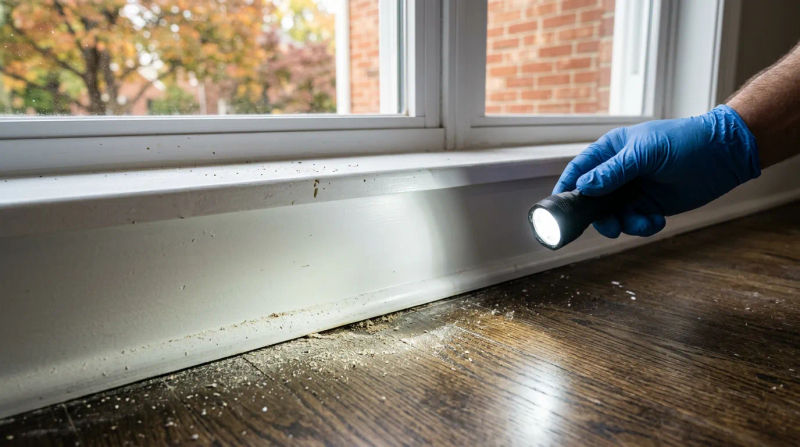
The last contractor has packed up their tools, the final invoice is paid, and your stunning home renovation is officially complete. You step back to admire the new kitchen, the beautifully finished basement, or the updated bathroom, but something feels…off. A fine, gritty powder seems to coat every surface. You run your finger along a countertop you just wiped down and it comes back dusty. A beam of autumn sunlight cuts through the window, revealing a haze of particles still dancing in the air. This isn't just regular dust; it's the stubborn, pervasive residue of construction, and it has a way of sticking around long after the work is done.
As we move through October, many homeowners in areas like Upper Arlington are wrapping up projects before the holiday season and colder weather set in. This is precisely when the full extent of renovation dust becomes apparent. It’s a frustrating final hurdle, but understanding what you’re dealing with is the first step toward reclaiming your clean, healthy home.
Common Signs and Symptoms
How do you know if you're dealing with a simple cleanup job or a significant post-renovation dust problem? From our experience, the signs are often subtle but persistent. Here are the key indicators that you need more than a basic tidying up.
- A Persistent Gritty Film: You wipe down tables, counters, and floors, but within hours, they feel gritty to the touch again. This is especially noticeable and frustrating on the beautiful original hardwood floors found in many of the 1950s-era Colonial and Ranch homes in the area. This fine powder is abrasive and can cause micro-scratches on delicate surfaces if not removed properly.
- Visible Dust on Overlooked Surfaces: The most telling sign is dust in places you wouldn't normally look. Check the tops of door frames, window casings, picture frames, and ceiling fan blades. You’ll likely find significant construction dust on vents and trim. It settles inside cabinets and drawers, on light fixtures, and along baseboards. These are the hiding spots that standard cleaning often misses.
- A Lingering “Construction” Odor: If your home still smells like drywall, sawdust, or paint days or weeks after the project is finished, it’s a sign that the dust particles carrying those odors are still circulating.
- Hazy Air and Windows: When sunlight streams into a room, do you see a visible haze of dust particles floating in the air? This indicates a high concentration of airborne dust. You may also notice a stubborn film on windows and mirrors that just smears when you try to clean it.
- Increased Allergy or Respiratory Symptoms: Are you or your family members sneezing, coughing, or experiencing watery eyes more than usual? Fine construction dust, composed of materials like drywall silica, wood particles, and adhesives, is a major irritant for the respiratory system.
- Your HVAC System Seems Dusty: If you see a small puff of dust emerge from your air vents when the furnace or AC kicks on, it's a red flag. This means a significant amount of debris has been pulled into your ductwork, and your HVAC system is now recirculating it throughout the entire house.
- New Electronics or Appliances are Dusty: Did you install a new black-faced oven or television? These surfaces are magnets for fine dust and will quickly reveal just how much is still settling out of the air.
What Causes This Problem
Understanding why renovation dust is so difficult to manage helps explain why a specialized approach is necessary. Unlike household dust, which is mostly composed of skin cells, fabric fibers, and soil, construction dust is a different beast entirely.
It’s primarily made of fine particulate matter created from cutting, sanding, and demolishing materials. The biggest culprits are drywall, plaster, wood, concrete, and tile. These particles are microscopic, incredibly lightweight, and can remain suspended in the air for days. Their jagged, irregular shapes allow them to cling electrostatically to virtually any surface.
Even when a work area is sealed off with plastic sheeting, this dust finds a way to escape. The primary pathway is often the HVAC system. Air returns can pull the fine dust into the ductwork, distributing it to every room in the house - even those far from the renovation zone. The larger, more open floor plans of many post-war homes in Upper Arlington can allow this dust to travel even more freely. Dust also travels on the clothes and shoes of workers and can seep under doors and through any small gaps.
Because of its fine, clingy nature, traditional cleaning methods are often ineffective. A dry cloth or feather duster will simply stir the particles back into the air, only for them to resettle elsewhere. A standard vacuum without a HEPA filter may just blow the smallest, most harmful particles right back out through its exhaust.
When to Call a Professional
For a very small project, a homeowner might be able to manage the cleanup with patience and the right tools. This involves a multi-step process of HEPA-vacuuming and wiping down every single surface from top to bottom, often multiple times. However, for most significant remodels - like the kitchen, bath, and basement updates common in the area - the scope of the problem quickly becomes overwhelming.
This is where an organized after remodel cleaning for homeowners service becomes essential. There are several situations where calling for professional help is the most effective and efficient choice:
- The Renovation Was Extensive: If your project involved drywall, flooring, or significant demolition, the volume of dust is simply too great for household cleaning tools to handle effectively.
- You Have Health Concerns: If anyone in your home suffers from asthma, allergies, or other respiratory conditions, it is critical to remove airborne particulates thoroughly. Our technicians use commercial-grade air scrubbers and HEPA-filter vacuums to capture up to 99.97% of airborne particles, dramatically improving indoor air quality.
- You See Dust in Your Vents: This is a clear sign the problem is beyond surface-level. A professional post-construction cleaning crew has the methods and tools to properly clean vents and address the HVAC system as part of a systematic process.
- You're Short on Time: A thorough renovation dust cleanup Upper Arlington can take days or even weeks of a homeowner's time. With the holidays approaching, a professional team can achieve comprehensive results in a fraction of the time, following a standardized workflow that ensures every corner is addressed.
Our trained crews work methodically from top to bottom. We start with the high-up, hidden areas - light fixtures, ceiling trim, the tops of cabinets - and work our way down the walls, windows, and baseboards, finishing with a final detailed floor cleaning. This organized process ensures that dust is systematically removed, not just relocated.
Conclusion
Completing a home renovation is a major accomplishment, but the job isn't truly finished until the last speck of construction dust is gone. This lingering dust is more than an annoyance; it impacts your home's air quality, can irritate your respiratory system, and can even damage surfaces and electronics over time.
Recognizing the signs of a significant dust problem - from a gritty film on your floors to dust puffing from your vents - is the first step. While it's tempting to tackle it yourself, the unique properties of construction dust often require specialized equipment and a systematic approach to truly eradicate it. Acting early prevents these fine particles from becoming further embedded in your carpets, upholstery, and ductwork.
If you notice any of these signs, contact a local Cleaning professional for an inspection. An experienced team can provide a comprehensive plan to finally and fully remove the renovation residue, leaving you with a home that is not just beautifully updated, but truly clean.